
On this page
- What Determines the Cost of a Hyperbaric Chamber?
- How Do Monoplace and Multiplace Chambers Compare by Cost Tier?
- Hard-Shell vs. Soft-Shell: Specification and Cost Comparison
- What Does Certification and Compliance Add to Chamber Cost?
- What Ongoing Costs Should Buyers Budget For?
- Why Does HPO TECH Price Per Configuration?
- Frequently Asked Questions
- The Bottom Line on Hyperbaric Chamber Cost
Hyperbaric chamber cost is shaped by four primary engineering variables: pressure rating, internal capacity, certification scope, and installation infrastructure. A soft-shell inflatable unit operating at approximately 1.3 ATA sits at the entry tier. A hard-shell multiplace system certified to 3.0 ATA under ASME PVHO-1 (ASME, 2022) represents a fundamentally different investment, for reasons rooted in engineering physics rather than positioning.
Key takeaways
- Pressure rating and chamber type (monoplace vs. multiplace) are the two primary purchase-price drivers.
- Hard-shell systems certified to ASME PVHO-1 or EN 14931 carry substantially higher engineering and compliance costs than soft-shell alternatives operating at approximately 1.3 ATA.
- Total cost of ownership includes oxygen supply infrastructure, preventive maintenance, and certification renewal, often rivaling the capital purchase cost over five years.
- ISO 13485 and FDA or CE certification add genuine regulatory standing, not just cost, to the procurement equation.
- Quote-based pricing reflects real configuration variability: no two multiplace installations carry identical specifications.
What Determines the Cost of a Hyperbaric Chamber?
The cost of a hyperbaric chamber follows its engineering specification. Operating pressure is the dominant factor: chambers rated to 3.0 ATA must satisfy the full scope of ASME PVHO-1 (ASME, 2022), the Safety Standard for Pressure Vessels for Human Occupancy, covering wall thickness, viewport design, valve specifications, and mandatory third-party inspection. Each increment above 2.0 ATA multiplies material and testing costs substantially.
Pressure Rating and Material Requirements
Wall thickness in a hard-shell chamber is calculated against rated maximum working pressure with a mandatory safety factor under ASME PVHO-1. A chamber rated to 3.0 ATA requires a thicker vessel wall, heavier fittings, and more demanding weld inspection than a 2.0 ATA unit. This is a physics constraint, not a specification choice, and it directly drives material cost at the manufacturing stage.
Internal Capacity and Configuration
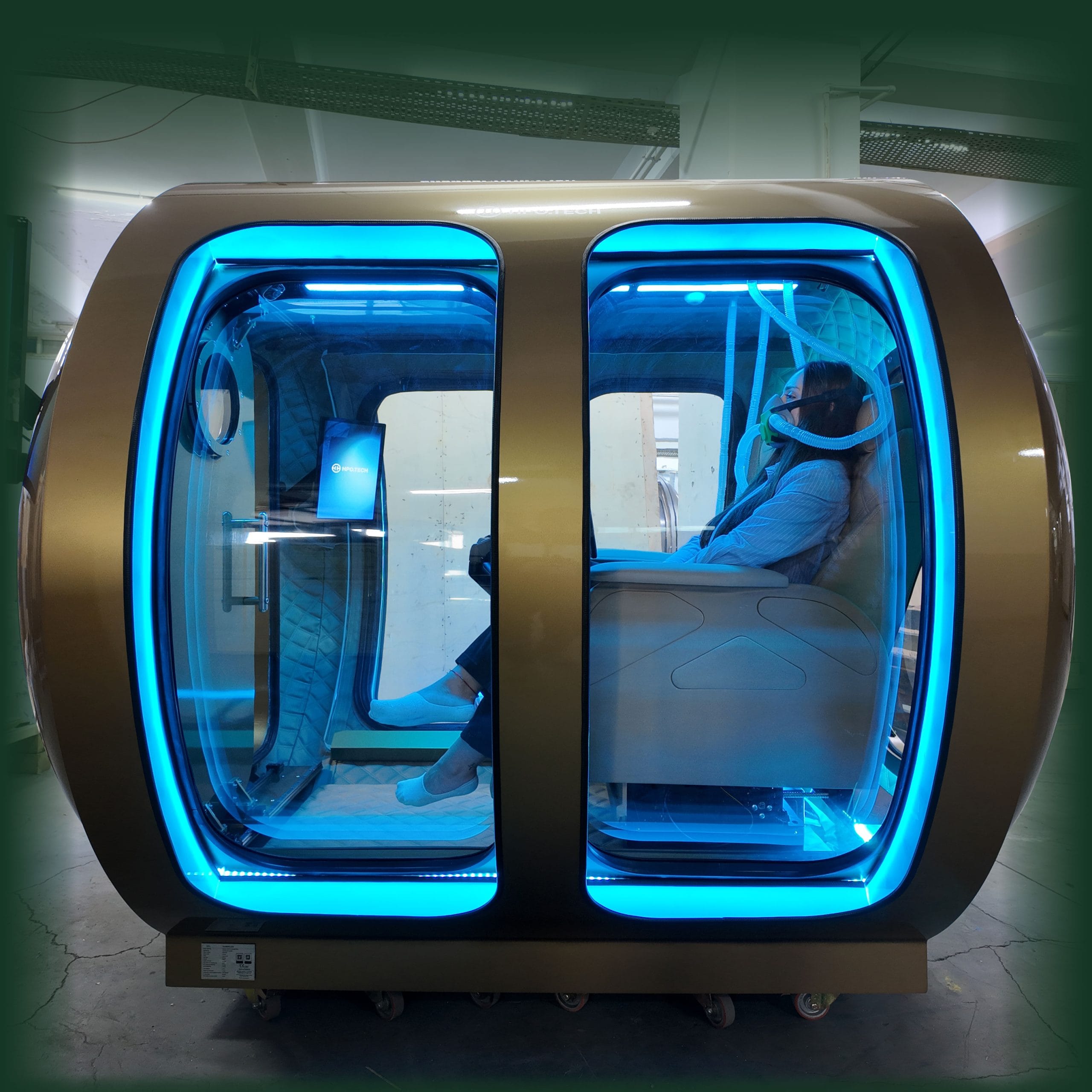
A monoplace chamber designed for one occupant requires a pressure envelope roughly 0.9 to 1.1 meters in diameter. A multiplace chamber accommodating two to twelve or more occupants is an engineered room: structural steel, multiple viewports, individual oxygen delivery per station, a dedicated entry lock, and internal seating. Each element adds certified engineering scope and proportional cost to the build.
Control Systems and Safety Engineering
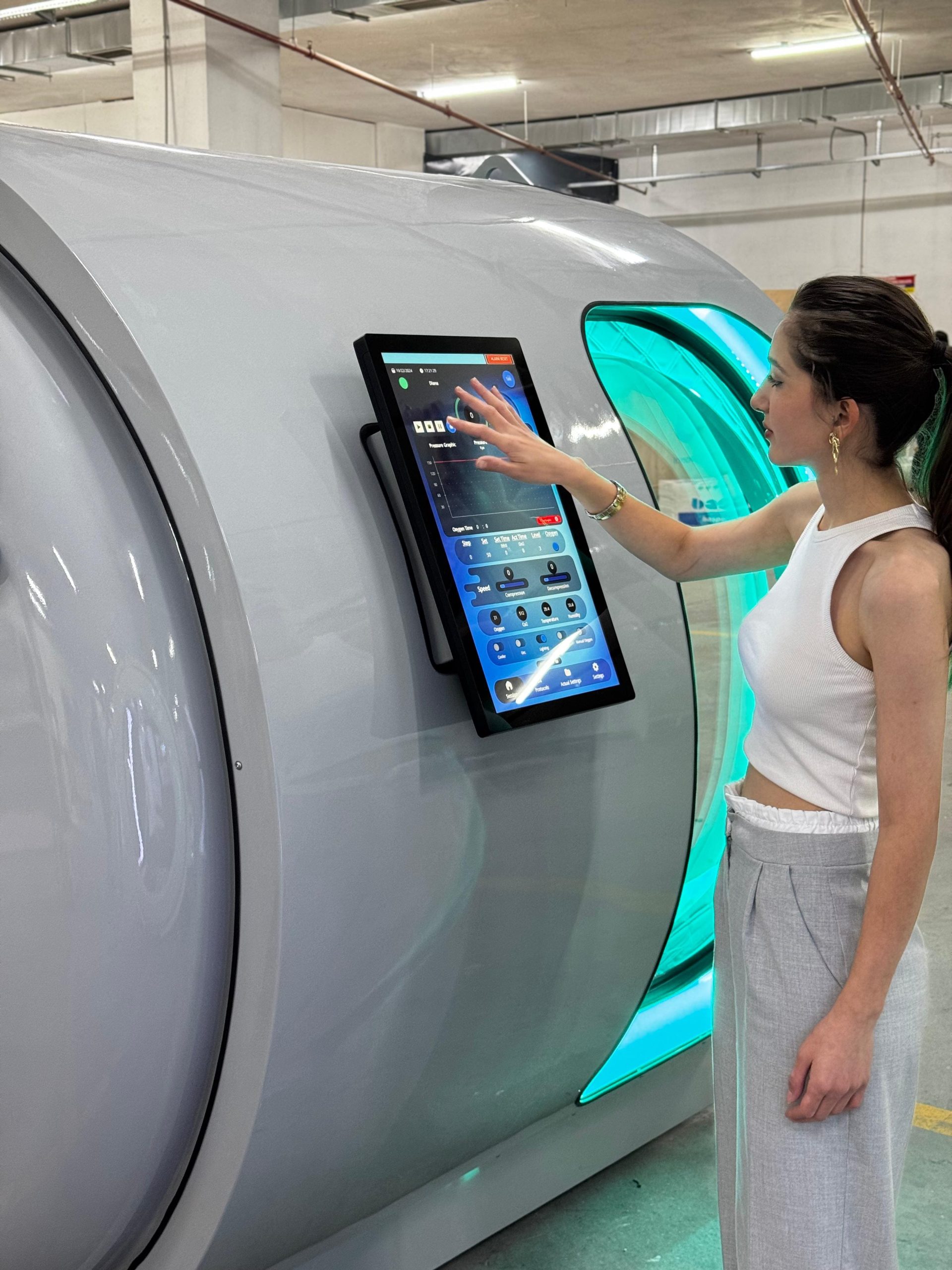
Clinical-grade chambers incorporate programmable logic controllers, redundant pressure monitoring, automatic pressure-relief systems, and oxygen management hardware. In the United States, NFPA 99 (NFPA Health Care Facilities Code, Chapter 14) codifies the specific safety engineering requirements for hyperbaric facilities. These systems represent a meaningful cost line in any hard-shell installation and a non-negotiable one for facilities seeking regulatory clearance.
How Do Monoplace and Multiplace Chambers Compare by Cost Tier?
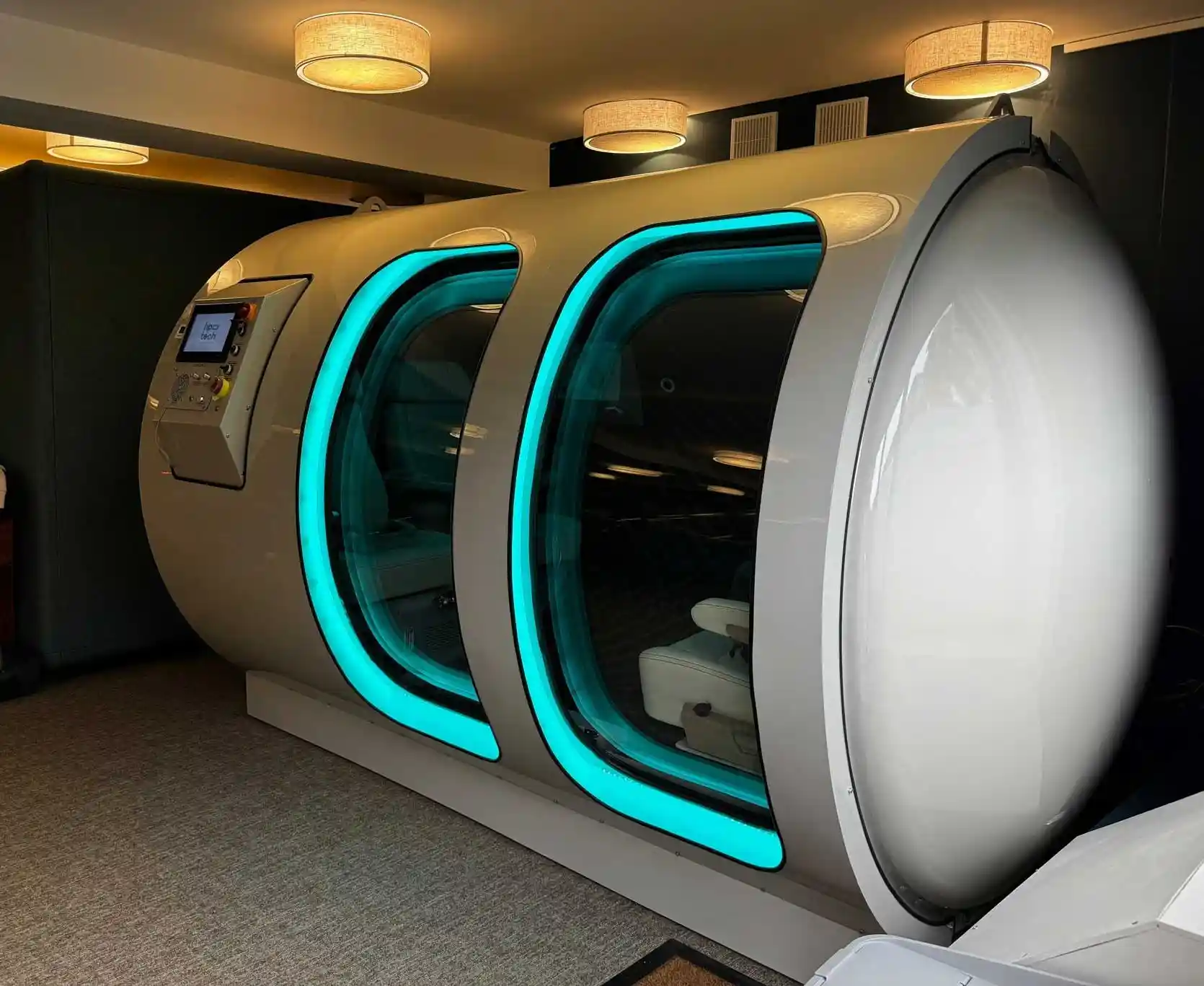
Monoplace hard-shell chambers are the entry point to clinical-grade hyperbaric equipment. They require a single pressure envelope, one control console, and one oxygen feed. Multiplace chambers are engineered pressure rooms: EN 14931 (CEN, European Standard for Multi-Place Hyperbaric Chambers) defines the additional requirements for personnel locks, per-station oxygen systems, and fire safety that distinguish these systems from monoplace units and drive a substantial cost premium.
Monoplace: Specification and Scope
A monoplace hard-shell chamber accepts one occupant in a supine or reclined position and pressurizes to 2.0 or 3.0 ATA depending on the rated specification. The oxygen delivery system, door seal, and operator console are all simpler than multiplace equivalents. Facility footprint is modest. Infrastructure requirements, including electrical supply, ventilation, and oxygen feed, are manageable for most clinic-scale installations.
Multiplace: Specification and Scope
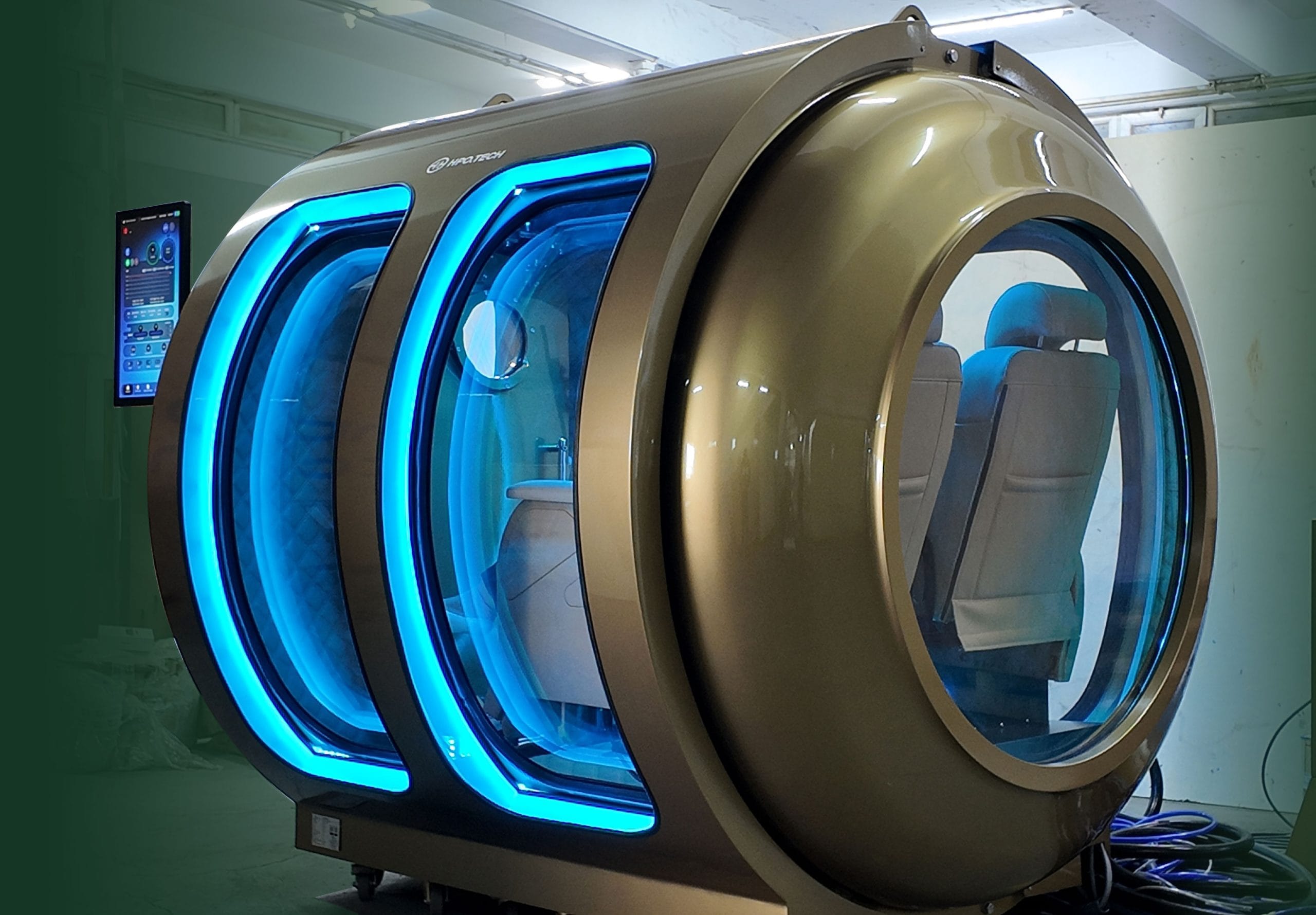
A multiplace chamber functions as a walk-in pressure vessel. Capacity ranges from two occupants to twelve or more across different product configurations. Each occupant station requires an individual oxygen breathing assembly. An entry airlock allows personnel cycling without full depressurization. A staffed external control room monitors pressure, oxygen concentration, and communications throughout each session. This is hospital-grade infrastructure, priced accordingly.
Hard-Shell vs. Soft-Shell: Specification and Cost Comparison
Soft-shell inflatable chambers operate at approximately 1.3 ATA maximum, as documented in published FDA 510(k) submissions for this device class (FDA.gov). Hard-shell steel chambers reach 2.0 to 3.0 ATA under full ASME PVHO-1 compliance. The gap between these two categories is not incremental. It reflects entirely different engineering, certification, and operational scope.
| Chamber Category | Max Pressure | Capacity | Governing Standard | Certification Scope | Relative Cost Tier |
|---|---|---|---|---|---|
| Soft-shell inflatable | ~1.3 ATA | 1 occupant | FDA 510(k) Class II | Device clearance | Entry |
| Hard-shell monoplace | 2.0-3.0 ATA | 1 occupant | ASME PVHO-1 / CE / FDA | Full pressure vessel + safety systems | Mid to clinical |
| Hard-shell multiplace | 2.0-3.0 ATA | 2-12+ occupants | ASME PVHO-1 / EN 14931 / CE / FDA | Pressure room + airlock + per-station OBA | Clinical to institutional |
Comparing soft-shell and hard-shell units on purchase price alone is structurally misleading. They operate at different pressure ranges and serve different operational requirements. A facility that under-specifies on pressure to reduce capital cost may find it cannot operate at the levels its protocols require.
What Does Certification and Compliance Add to Chamber Cost?
Medical Device Regulations
The certifications that carry the most weight for clinical buyers are the medical-device regulations of each target market. HPO TECH’s chambers are registered under EU MDD 93/42/EEC and EU MDR (the basis of CE marking for Europe), UKCA for the United Kingdom, Medsafe for New Zealand, Thai FDA and Ghana FDA national registrations, SFDA for Saudi Arabia, and UAE MOH for the Emirates. The full register is maintained on the official certifications page.
FDA 510(k) Clearance
Hard-shell hyperbaric chambers sold for clinical use in the United States require FDA 510(k) clearance as Class II medical devices (FDA.gov). The submission process demands substantial technical documentation, predicate device comparison, and safety testing data. Manufacturers carrying this clearance have invested in the regulatory process; the cost factors into unit pricing. Buyers sourcing uncertified units to avoid this cost transfer the compliance liability to their own facility.
CE Marking and EN 14931
For European market access, CE marking under EU MDR 2017/745 is mandatory for clinical-grade hyperbaric chambers. Multiplace systems must additionally comply with EN 14931. Third-party notified body review, annual surveillance audits, and technical file maintenance are recurring manufacturer costs. HPO TECH undergoes independent third-party verification through Türk Loydu, a classification society rooted in marine and pressure-system engineering, adding documentation that procurement teams find useful at the due diligence stage.
ISO 13485 Quality Management
ISO 13485 (ISO, 2016) is the quality management system standard for medical device manufacturers. Achieving and maintaining this certification requires documented design controls, production traceability, supplier qualification, and post-market surveillance systems. These are ongoing operational costs absorbed by the manufacturer and reflected in unit pricing. For buyers, ISO 13485 certification is a procurement signal with real supply-chain implications.
What Ongoing Costs Should Buyers Budget For?
The capital purchase price is the first line item in a hyperbaric investment, not the last. Facilities that plan capital expenditure without modeling ongoing costs routinely discover they have under-budgeted the installation. Three categories dominate the ongoing cost picture: oxygen supply, scheduled maintenance, and certification renewal. Each scales with chamber size and utilization rate.
Oxygen Supply Infrastructure
Hard-shell chambers at 2.0 to 3.0 ATA require a reliable, high-volume oxygen supply. Monoplace units at lower utilization rates may operate from oxygen concentrator banks. Multiplace chambers or high-throughput operations typically require bulk liquid oxygen storage and a permanent pipeline distribution system. Installation and ongoing supply contracts represent a significant recurring cost that scales directly with session volume and chamber capacity.
Preventive Maintenance and Inspection
Pressure vessels under ASME PVHO-1 and EN 14931 are subject to scheduled inspection requirements. Annual visual inspections, periodic pressure tests, and component replacement schedules for door seals, viewports, valve seats, and oxygen breathing assemblies are non-negotiable for regulatory standing. A commonly used planning benchmark for industrial pressure equipment is 5 to 10 percent of capital cost per year for maintenance, though actual costs vary by system age, utilization, and configuration.
Certification Renewal and Facility Compliance
Clinical facilities must maintain current system certification independent of the manufacturer’s own ISO or regulatory status. This involves periodic third-party inspection, documentation updates, and, in jurisdictions covered by NFPA 99 Chapter 14, facility-level operational compliance reviews. Certification renewal costs are predictable when planned for; they create acute budget pressure when ignored in the original investment model.
Why Does HPO TECH Price Per Configuration?
HPO TECH’s chamber range spans monoplace to large-capacity multiplace systems across its product lines: Zeugma, Atlantis, Mediterranean, Matrix, Titan, and Petra — alongside the APEX hypobaric chamber for altitude training. All are manufactured in Istanbul under ISO 13485 quality management with Türk Loydu third-party verification. The range is genuine; the pricing is not catalogued. Two units from the same product line can differ substantially in build cost based on pressure rating, seat count, oxygen system specification, and certification scope.
A quote-based model gives buyers an accurate number for their specific configuration. A published list price would either misrepresent actual cost or force artificial standardization onto a product with legitimate variability. Knowing that a Zeugma monoplace configured for 2.0 ATA differs in cost from one configured for 3.0 ATA with extended viewport coverage is useful procurement information. A single catalogue price is not.
Buyers can use the cost-driver framework in this guide to build an internal budget model before requesting a quote. Start with pressure rating, add capacity and seat count, layer in certification scope, and estimate site infrastructure. That process produces a defensible range for internal approval before the configuration conversation begins with the manufacturer.
Frequently Asked Questions
What is the cost difference between monoplace and multiplace hyperbaric chambers?
Monoplace hard-shell chambers require a single pressure envelope, one control console, and one oxygen feed. Multiplace chambers are engineered pressure rooms with an airlock, individual oxygen delivery per station, internal attendant access, and a dedicated control room. The engineering scope difference is substantial. Multiplace systems represent a significantly higher investment tier than monoplace units across all manufacturers, with the gap widening as seat count and pressure rating increase.
Does ASME PVHO-1 compliance add significant cost to a hyperbaric chamber?
Yes, materially. ASME PVHO-1 (ASME, 2022) mandates wall thickness calculations, material certifications, viewport engineering, and third-party inspection that add genuine manufacturing cost. This standard separates a certified clinical-grade pressure vessel from an uncertified unit. Buyers who choose non-compliant systems to reduce capital cost transfer the regulatory and insurance liability to their own facility, where the downstream cost of non-compliance typically exceeds the initial saving.
Can a soft-shell inflatable chamber substitute for a hard-shell clinical system?
No, for pressure-dependent applications. Soft-shell inflatable chambers operate at approximately 1.3 ATA maximum per their FDA 510(k) device clearance profile (FDA.gov). Hard-shell clinical chambers operate at 2.0 to 3.0 ATA under ASME PVHO-1. These are different pressure classes, different certification categories, and different device types. The lower purchase price of a soft-shell unit does not offset the specification gap where the application requires operation above 1.3 ATA.
What facility infrastructure does a multiplace chamber installation require?
A multiplace installation typically requires a reinforced or purpose-built room for the pressure vessel and airlock, dedicated electrical supply for control systems and compressors, a bulk oxygen supply system with permanent piping, ventilation and heat management, and a fire suppression system. In the United States, NFPA 99 Chapter 14 specifies the facility requirements in detail. Infrastructure costs at the site level can equal or exceed the chamber purchase price for large-capacity systems.
How does HPO TECH structure pricing for buyers?
HPO TECH provides configuration-based quotes rather than published list prices. Each chamber from the Zeugma monoplace to the Titan multiplace is specified to the buyer’s pressure rating, capacity, certification scope, and site requirements before pricing is issued. This reflects genuine variability in build cost across configurations. Buyers can request a specification brief and quote or review the full HPO TECH monoplace and multiplace chamber ranges to identify the right configuration before engaging.
The Bottom Line on Hyperbaric Chamber Cost
Hyperbaric chamber cost is an engineering equation. Pressure rating, capacity, certification scope, and site infrastructure determine where a system sits in the investment range. Soft-shell units at 1.3 ATA, hard-shell monoplace systems at 2.0 to 3.0 ATA, and hard-shell multiplace installations represent three distinct investment categories. Comparing across categories on purchase price alone produces unreliable procurement decisions.
Total cost of ownership tells the fuller story. Capital cost is the starting point. Oxygen supply, maintenance schedules, and certification renewal form the multi-year cost structure that determines the true economics of the installation. Facilities that model all three components make better decisions than those that model only the first.
HPO TECH manufactures hard-shell monoplace and multiplace chambers across the Zeugma, Atlantis, Mediterranean, Matrix, Titan, and Petra product lines, built in Istanbul to ISO 13485 standards with CE, FDA, and Türk Loydu third-party verification. All pricing is configuration-based. To build an accurate investment model for your facility, request a specification brief and quote, or explore the full HPO TECH monoplace and multiplace chamber ranges to match capacity and pressure specification to your requirements.