
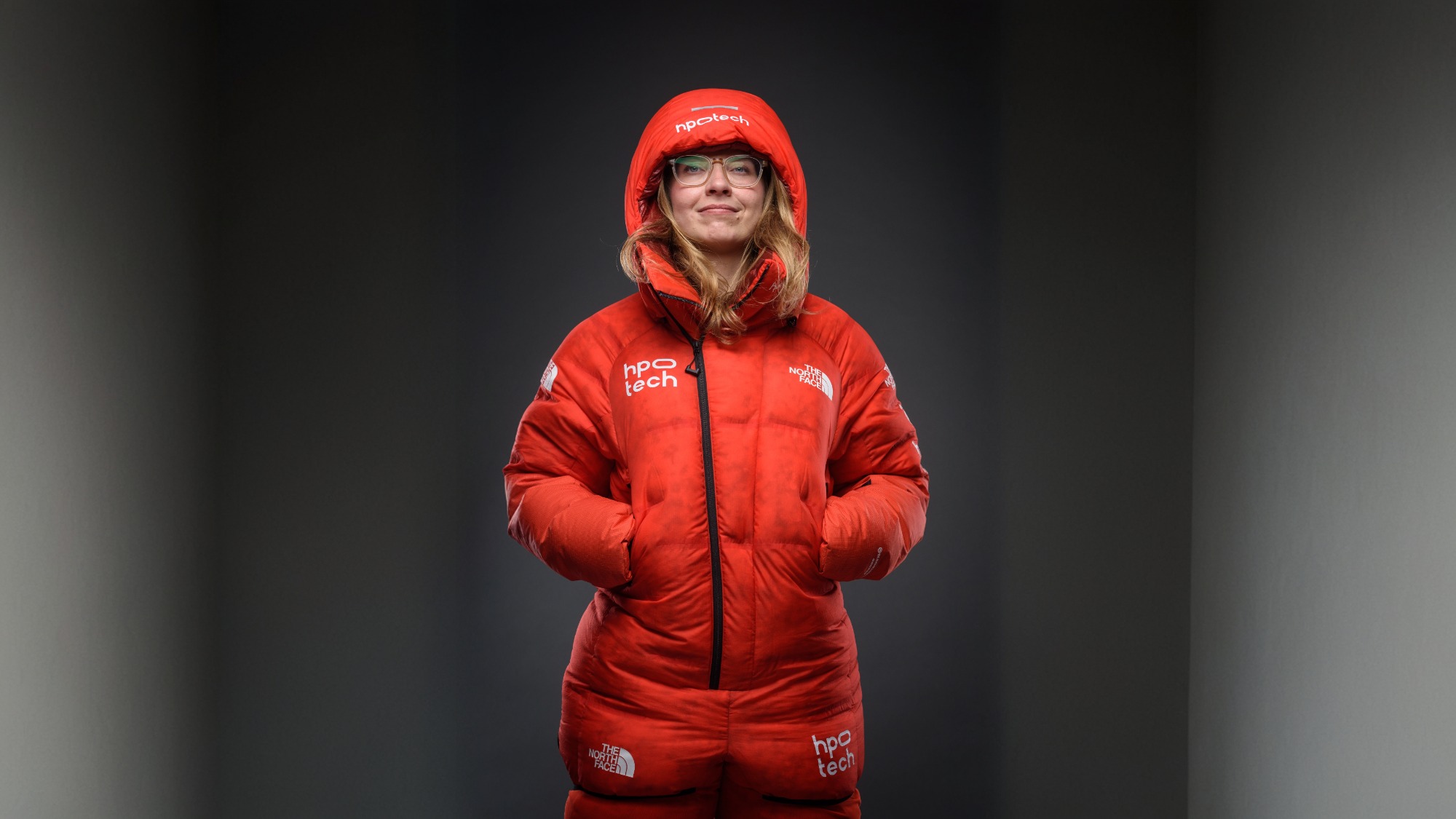
Help Dr. Karolina Pakenaite become the first DeafBlind person to summit Everest
Funding objective: $150,000 to execute Everest 2026 (April) expedition safely and successfully. Help us bring this mission to the top of the world.
The DeafBlind Everest Project is entering its final phase. Read more about it here.
To bring Dr. Karolina Pakenaite to the summit of Mount Everest (8,849 m) in 2026, we must secure $150,000 on Karolina’s official GoFundMe page to fund the expedition’s specialized logistics, safety infrastructure, and performance preparation.
The funding is operational for a clear objective: to execute a historic first with maximum preparation and minimum risk. For a DeafBlind climber, the requirements multiply. To attempt Everest safely, Karolina needs a dedicated support structure.
This is what the funds will be used for:
- Oxygen delivery systems
- Sighted guides and additional climbing support personnel
- Interpreters, accessibility support, and specialized communication systems
- Safety planning and redundancy protocols
- Specialist equipment, flights, training blocks, permits, and insurance
- Ongoing filming and documentation of the project
The silent summit. Together with British cinematographer Charles Logan Clare, Karolina went to Nepal to capture her first stage of the journey – conquering the Himlung Himal.
This is the DeafBlind Everest Project.
A collective mission to make Dr. Karolina Pakenaite the first DeafBlind person to summit Mount Everest (8,849 m). A story about preparation, discipline, and the courage to choose wisely when everything is on the line.
HPO.TECH has joined forces with the Mulligan Brothers, celebrated YouTube creators, recognized for their powerful storytelling on human resilience, to document and produce one of the most extraordinary endurance journeys of our time.
At its heart, this project follows Karolina — a DeafBlind climber living with Usher Syndrome — as she refuses to let the gradual loss of her senses define her future. As her vision narrows, her ambition expands.
The Everest expedition to the summit is a race against time, a test of trust between athlete and team, and a fusion of science, preparation, and human will. It is the story of a woman determined to stand on the highest point on Earth — before the world she sees fades from view.
Himlung Himal was the proving ground
Before Everest, every serious climber must prove readiness on a 7,000-meter Himalayan peak.
For Karolina, that proving ground was Himlung Himal (7126 m) in Nepal, the mountain where that mission-critical 4:28 am decision was made.
The expedition was on Day 19. The summit push had begun at 10 pm under a forecast promising manageable winds. By 1 am, reality diverged from prediction. Gusts were building. Higher on the mountain, the wind began to roar. Karolina had already asked once if it was safe. When she asked the second time, her guide didn’t answer immediately. The pause said everything. She didn’t wait for permission.
“Let’s go back.”
No one reached the top that night. Other teams turned around too. But the choice that mattered most was Karolina’s, made before the situation became desperate, when the margin for error still existed.
In a sport that often celebrates stubbornness, Karolina chose responsibility over ambition. She prioritized her team’s safety above personal glory. Himlung didn’t end with a summit photo, but it delivered something more valuable: experience, judgment, and proof of leadership under pressure.
That decision is why we believe in this mission.
A race against time
Karolina was born hard of hearing and diagnosed at 19 with Usher Syndrome, a degenerative condition affecting both hearing and vision. She sees her Everest attempt as a race against time, an urgent chance to stand on the highest point on Earth before her remaining sight fades further.
A trek to Everest Base Camp in May 2023 changed everything. Meeting climbers pursuing historic firsts sparked a question that never left her: What if?
While a Deaf person and a Blind person have summited Everest, no DeafBlind person has. For Karolina, this climb is is about challenging perceptions, raising awareness, and bringing visibility to a community that is too often misunderstood and unseen.
Building the foundation to reach the summit
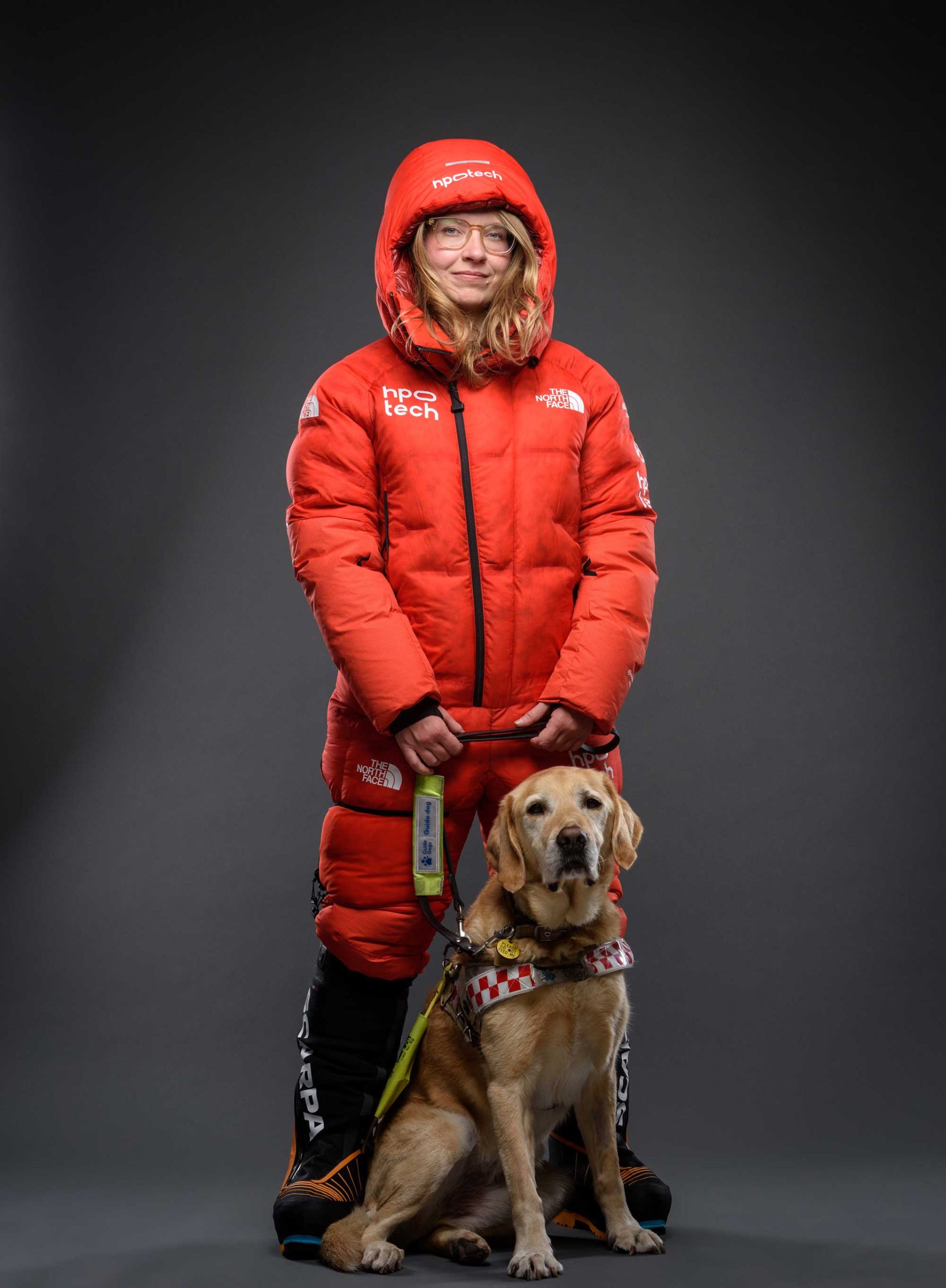
Karolina built her foundation step by step, milestone by milestone, without a background in professional sport or private funding.
- The Bath Half Marathon to build endurance.
- Winter Skills training in Scotland to learn mountaineering technique.
- The London Marathon to develop speed and resilience.
- The UK Three Peaks Challenge, completed with time to spare.
- High-altitude summits including Mera Peak (6,476 m) and Mount Kenya (4,985 m).
- A 50 km ultramarathon in Scotland.
- And finally, Himlung Himal (7,126 m).
Along the way, she completed her PhD. She is now Dr. Karolina, proof that this project is powered by intellect as much as grit.
Engineering success
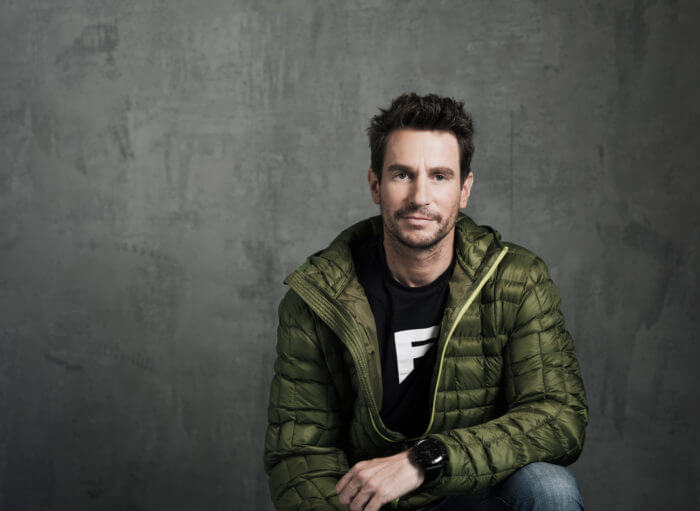
Preparation for Everest with famous expeditioner Lukas Furtenbach
After Himlung, the project accelerates. Karolina has been training in Austria with Lucas Furtenbach, one of the world’s most respected high-altitude expedition leaders and founder of Furtenbach Adventures. She’s been vetted safe to do the Everest ascent.
Lucas’ approach is methodical: structured acclimatization, safety-first decision making, and performance planning rooted in physiology. Karolina’s got all the support necessary.
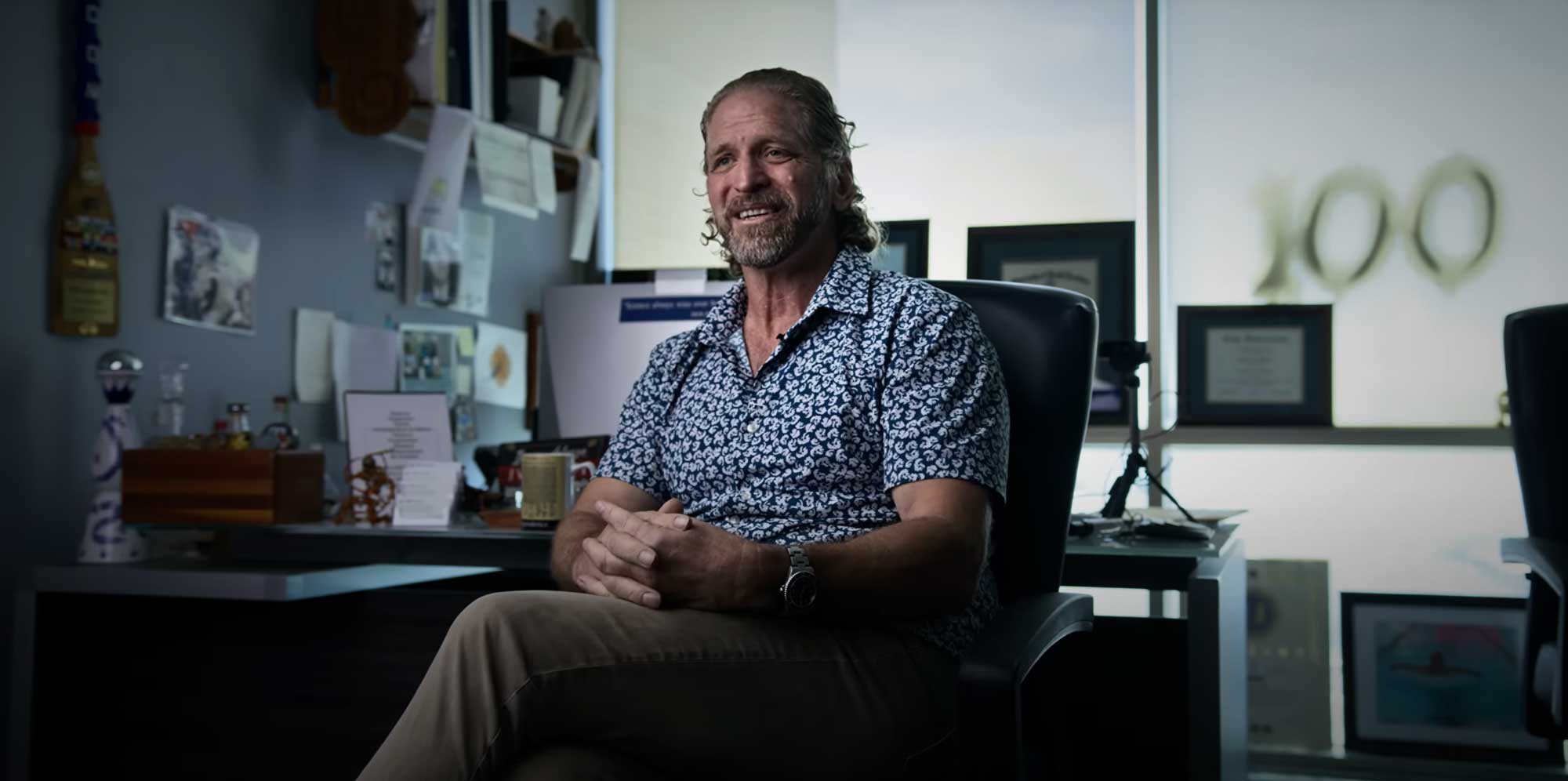
From Austria to the Arizona State University with Dr Joseph Dituri
At the same time, new scientific support is forming around Karolina’s preparation. Dr. Joseph Dituri and an Arizona State University-linked team have proposed a structured acclimatization and testing protocol in Phoenix, Arizona, potentially involving:
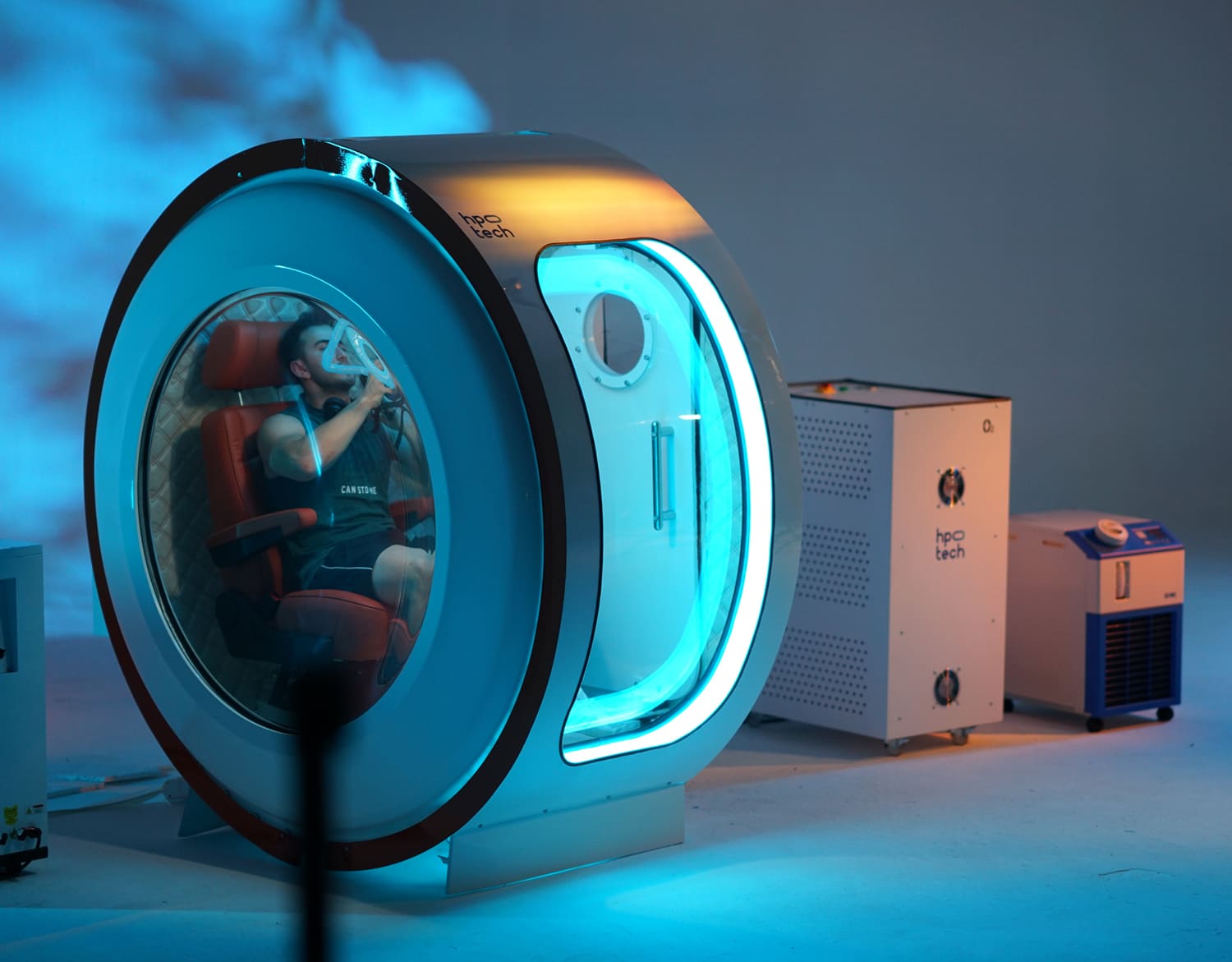
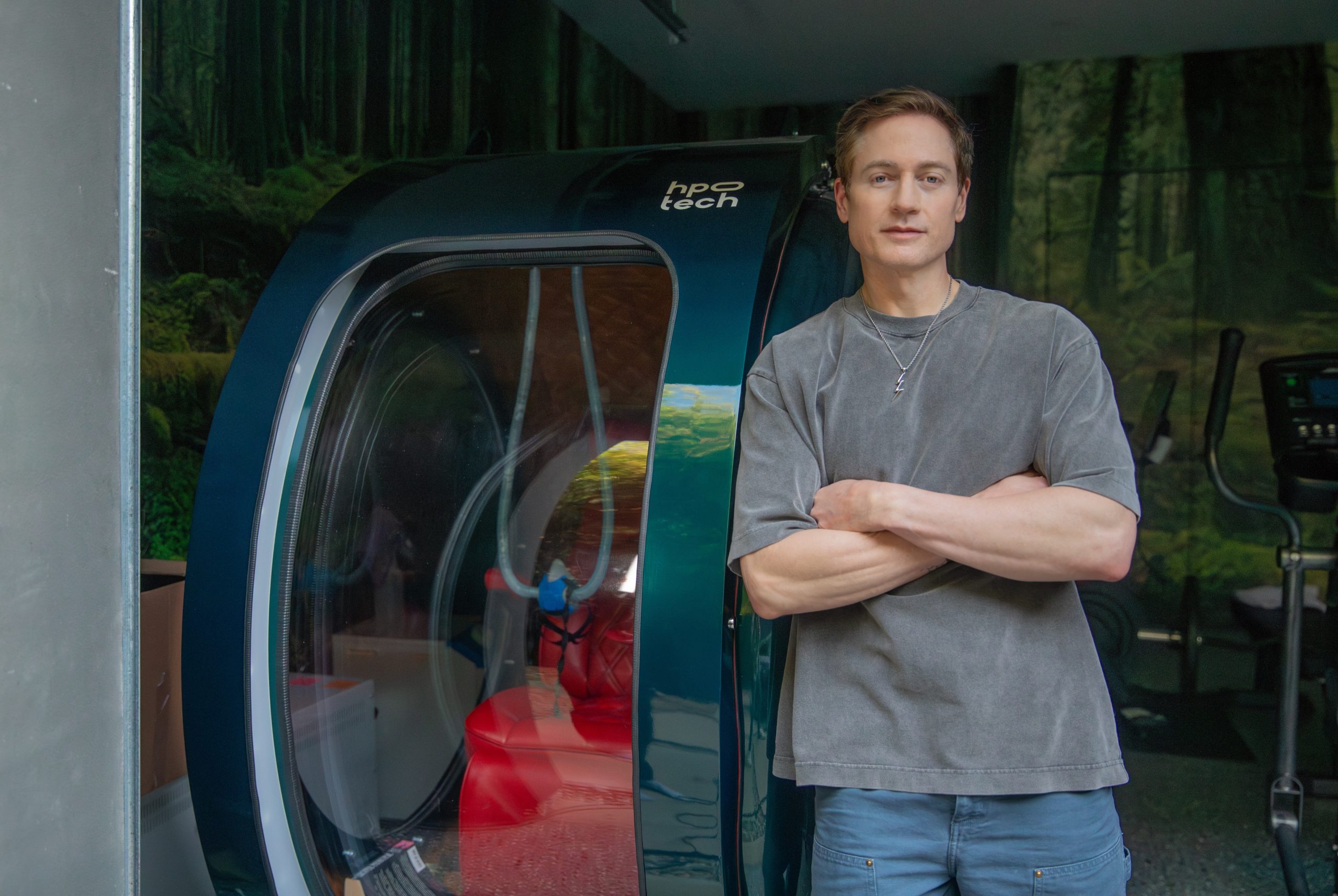
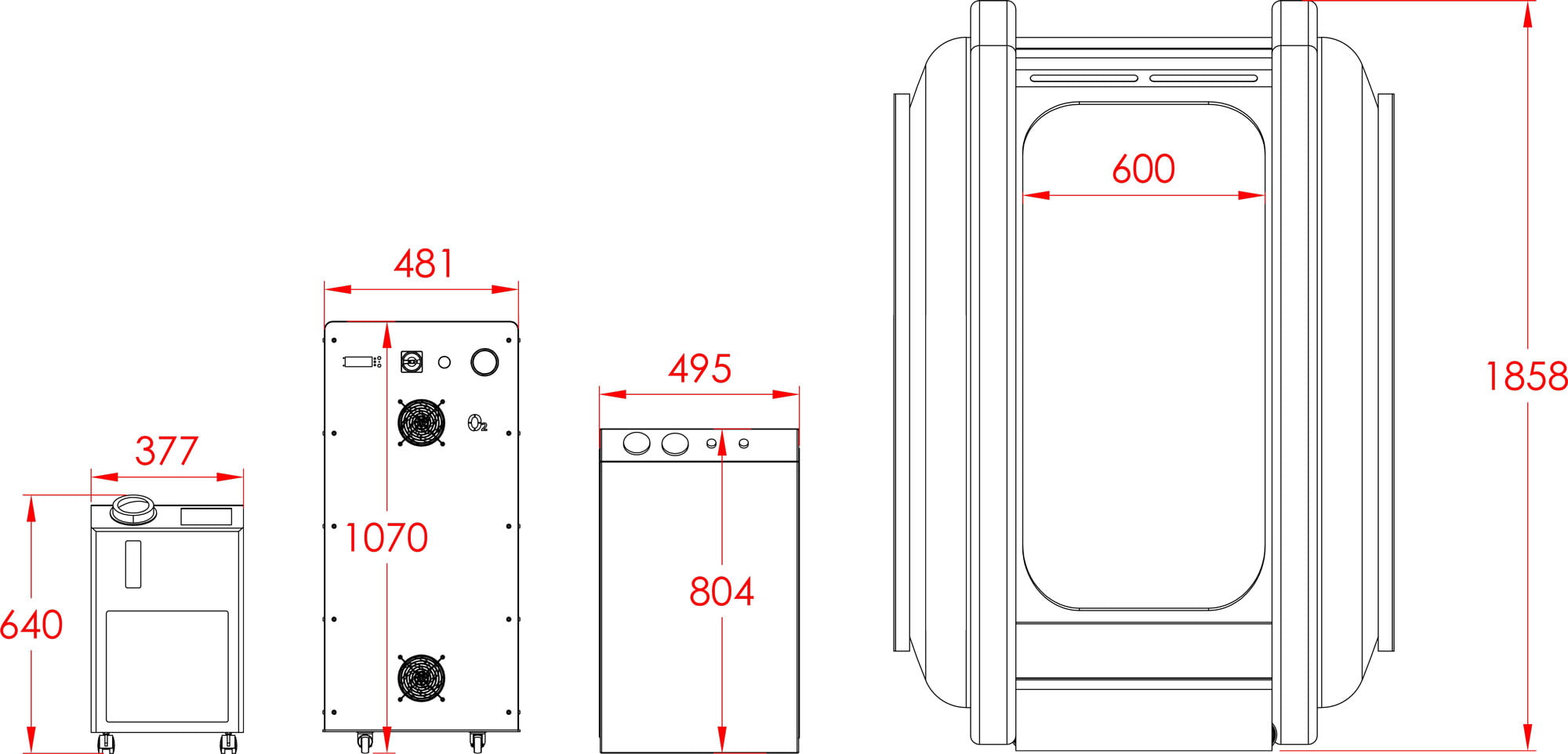
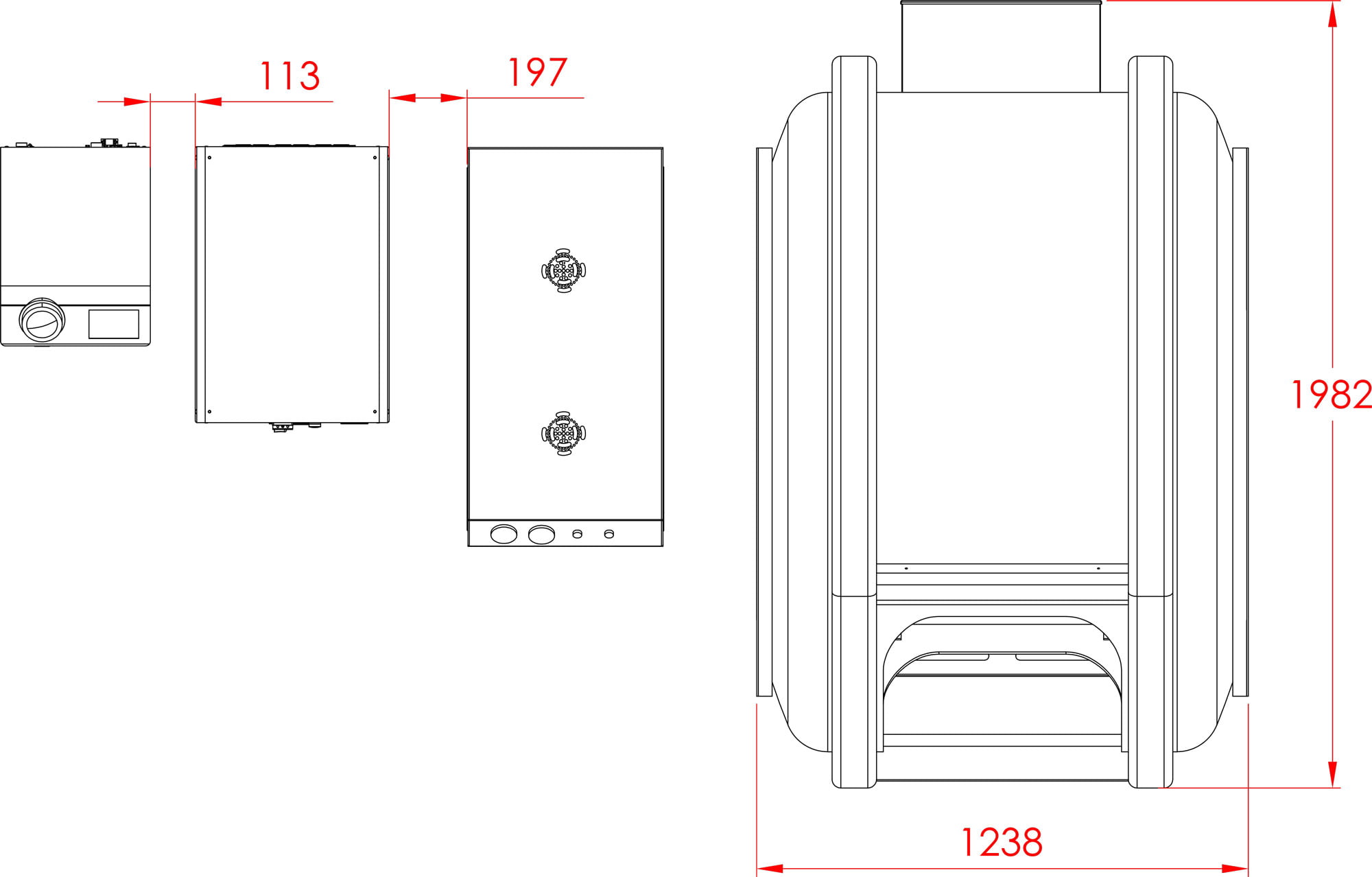
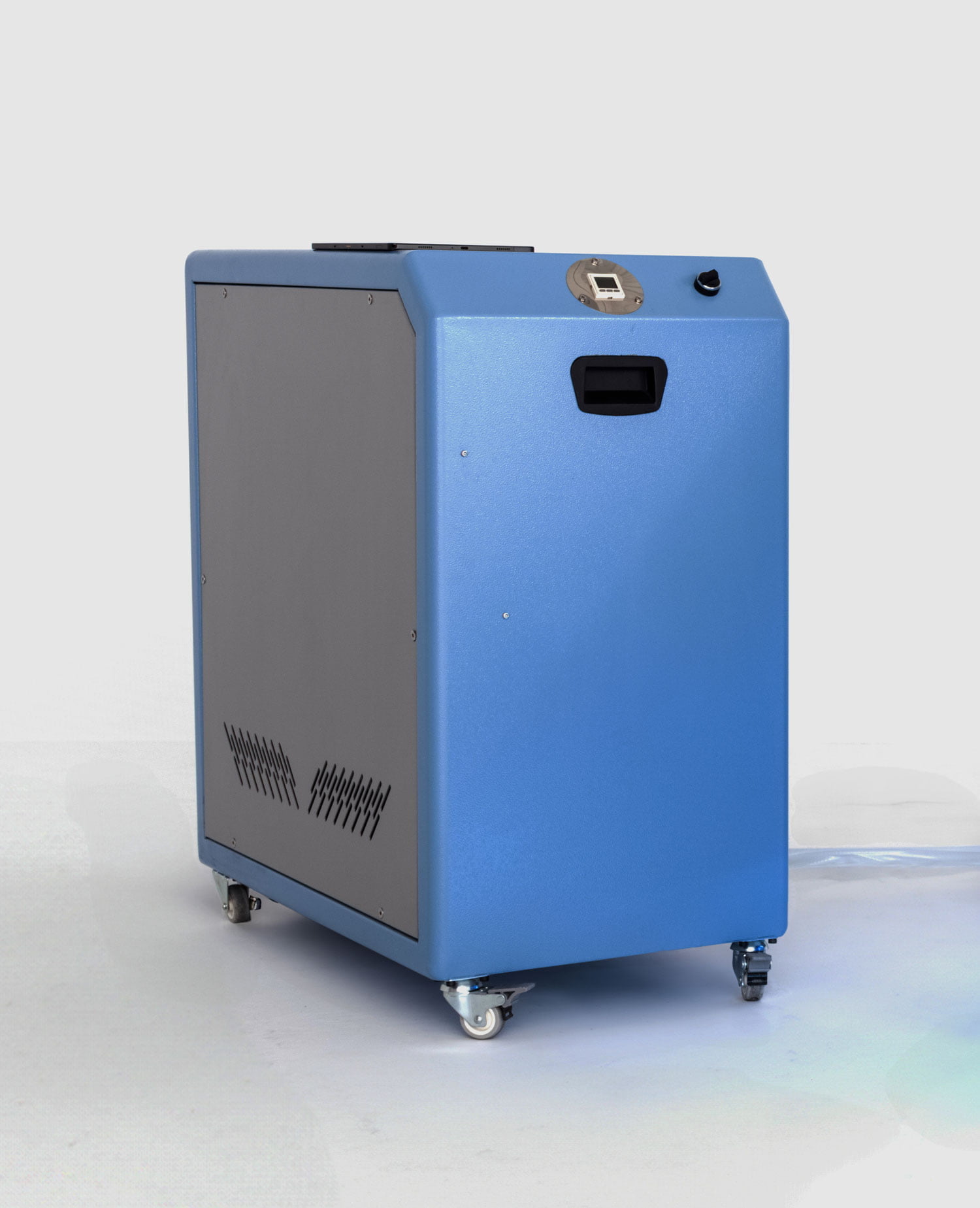
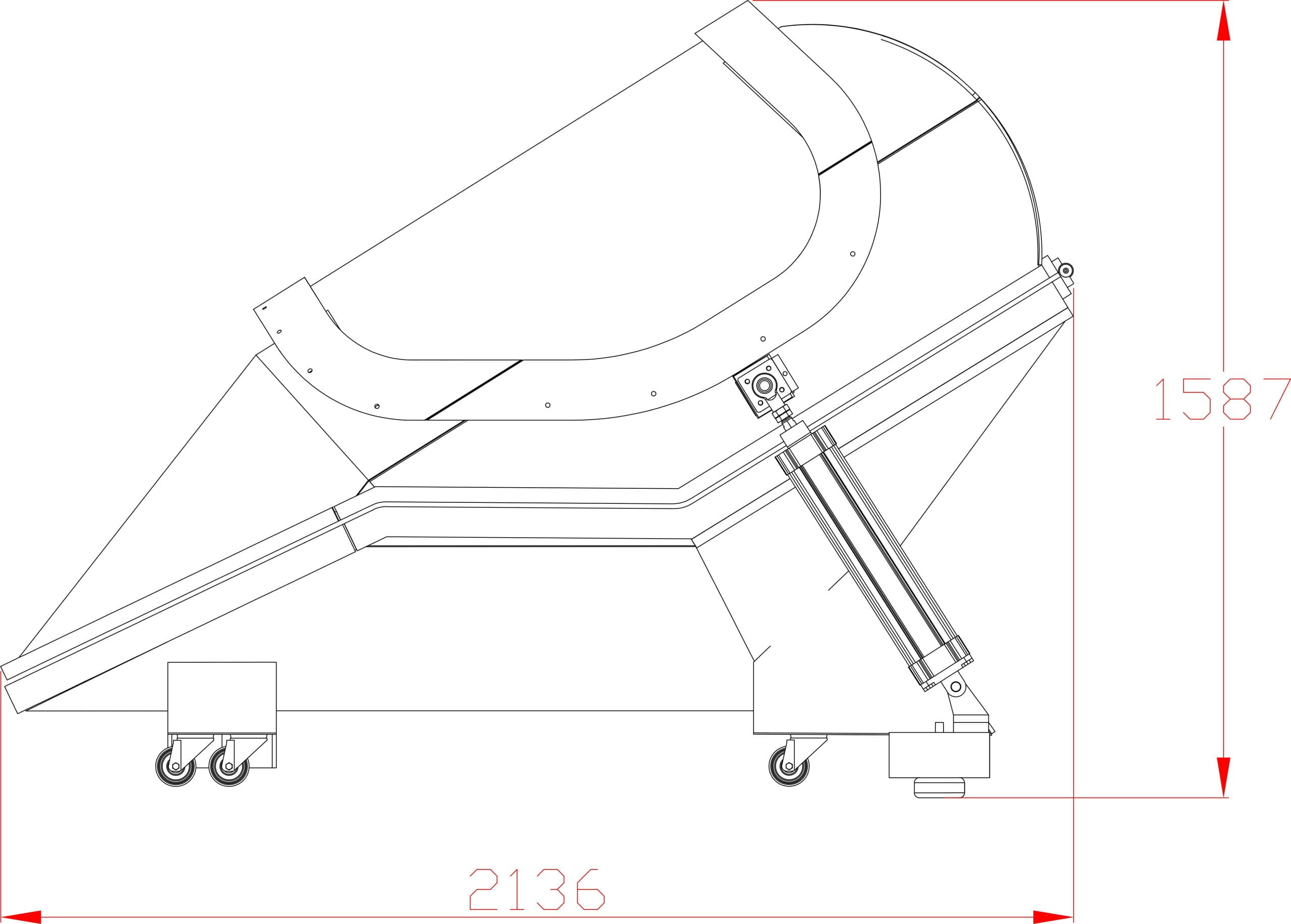
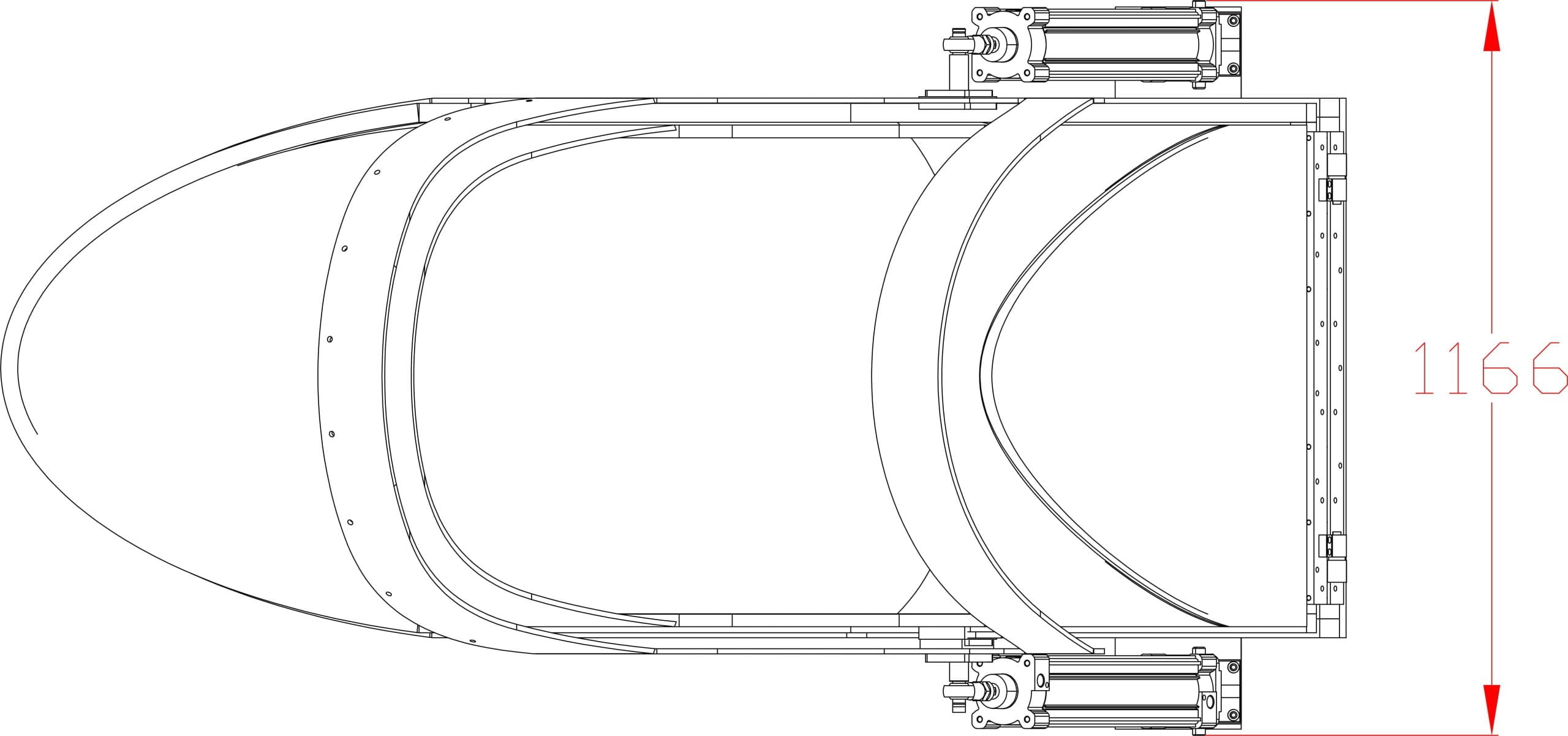
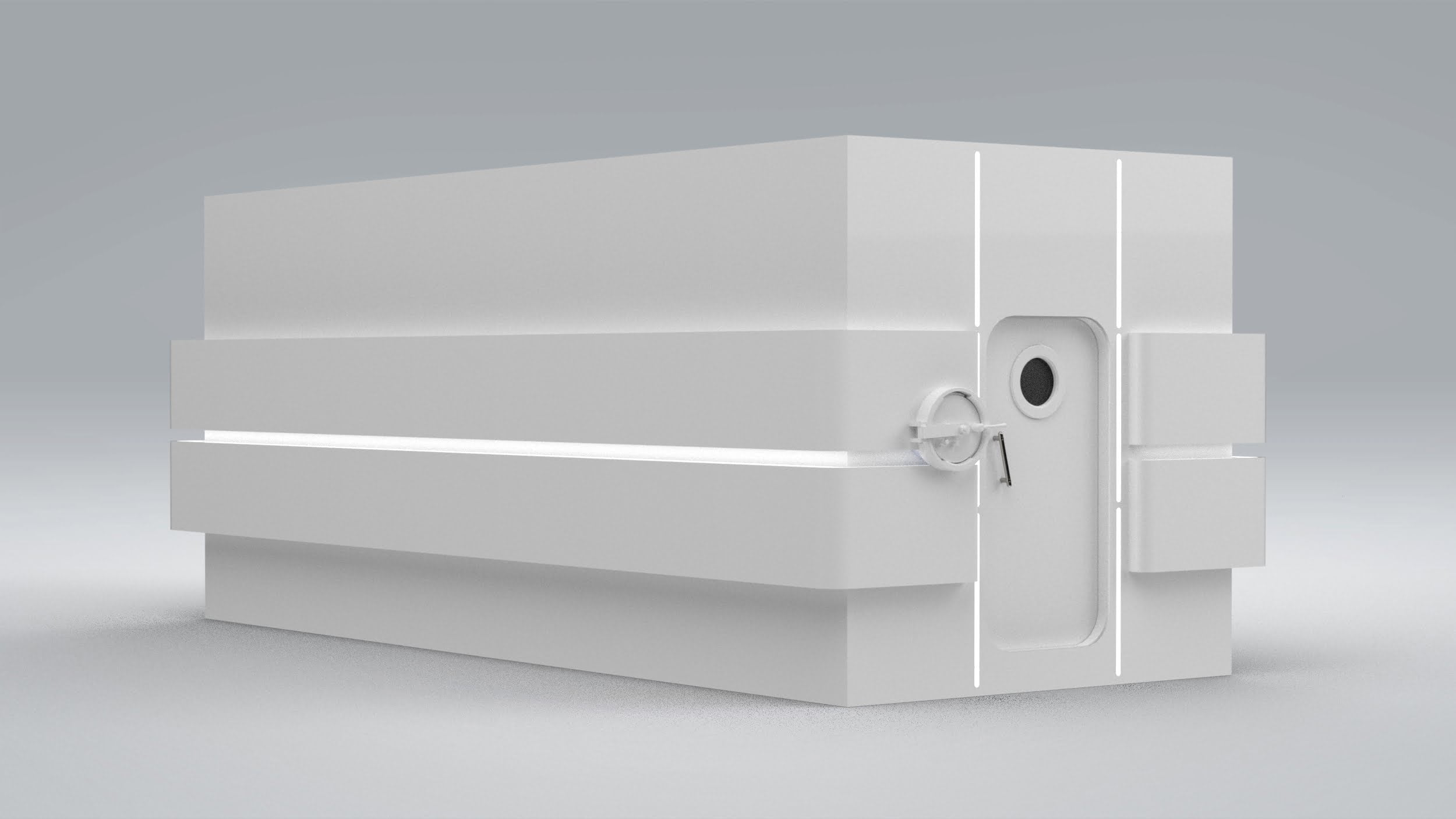
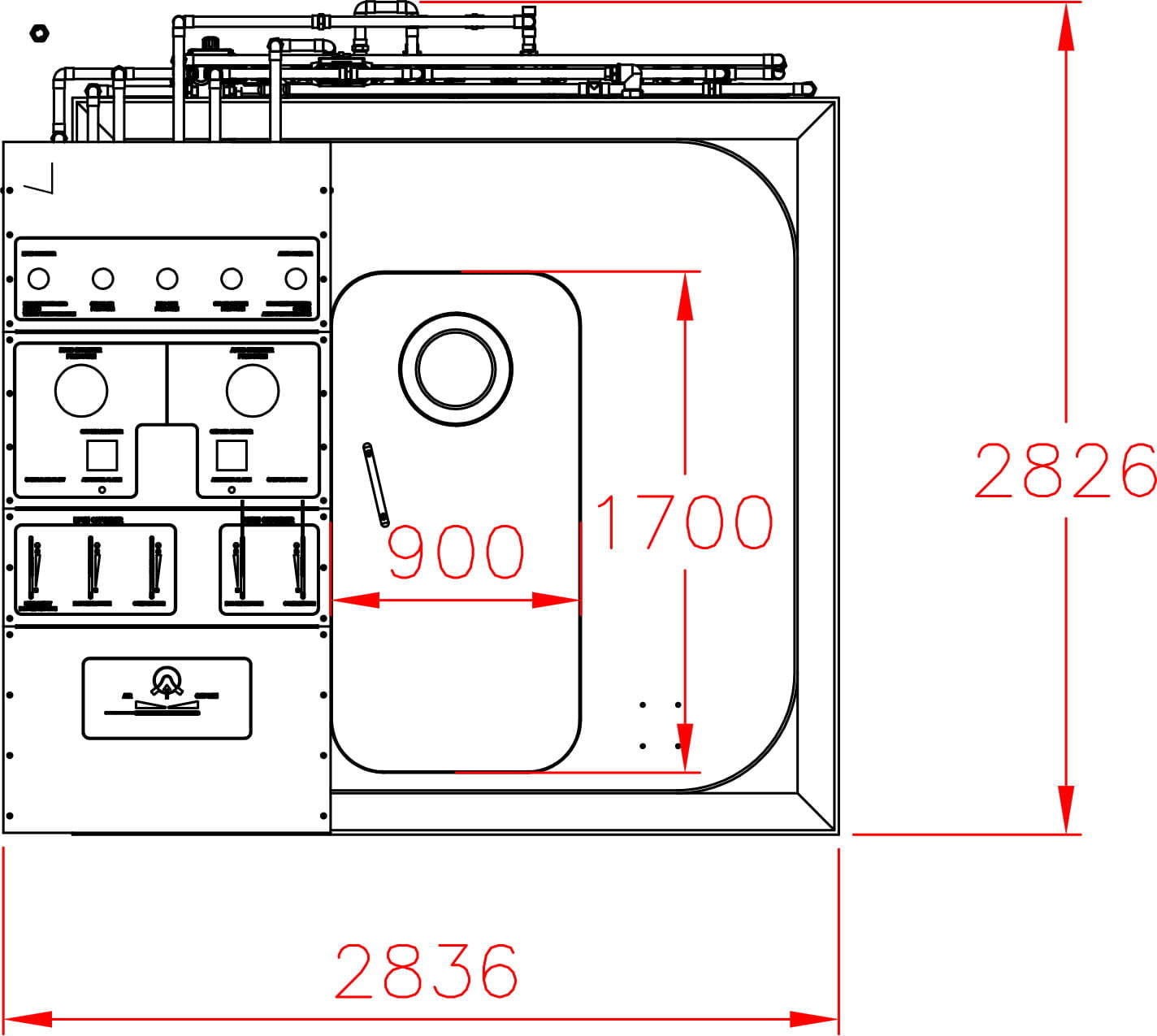
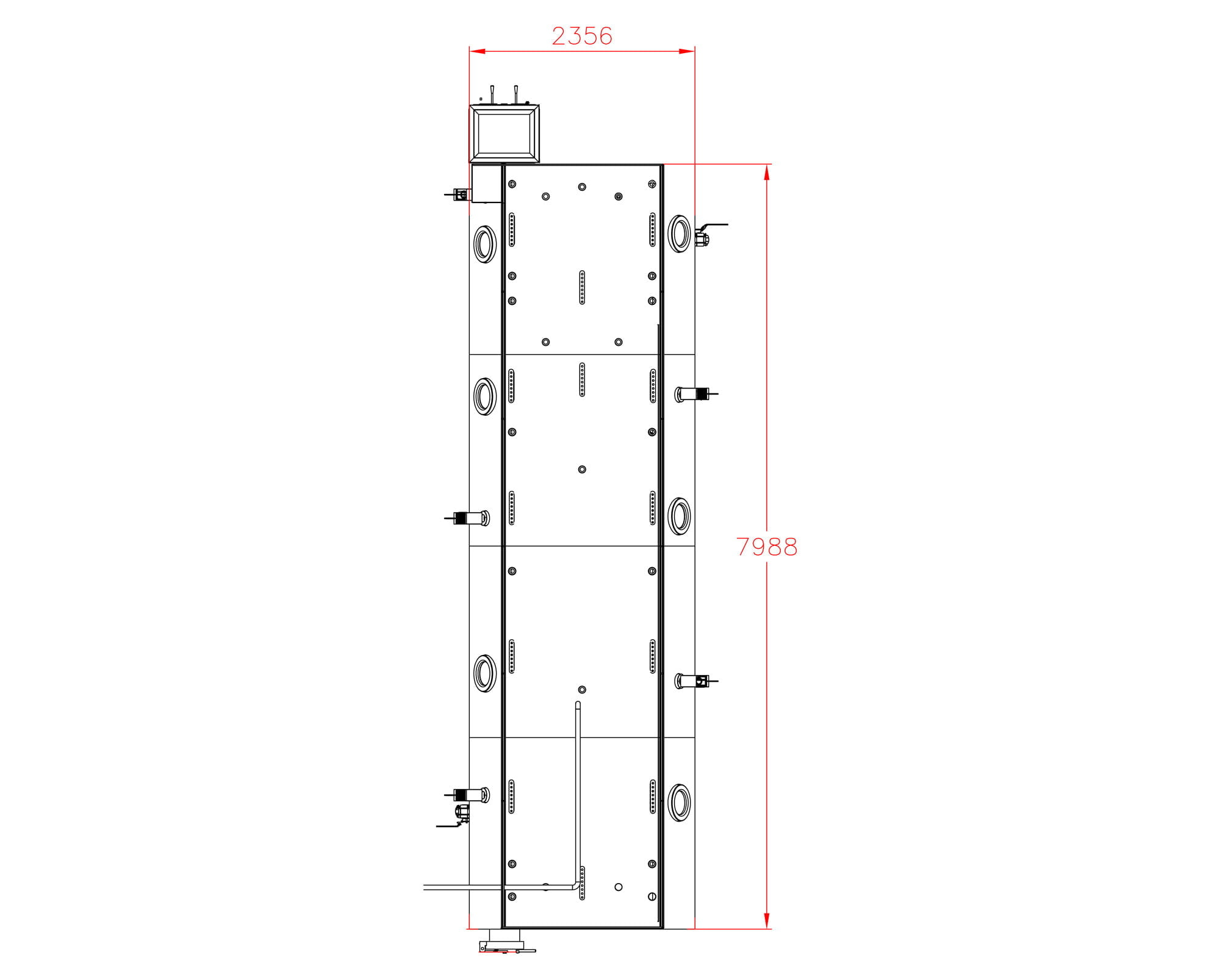
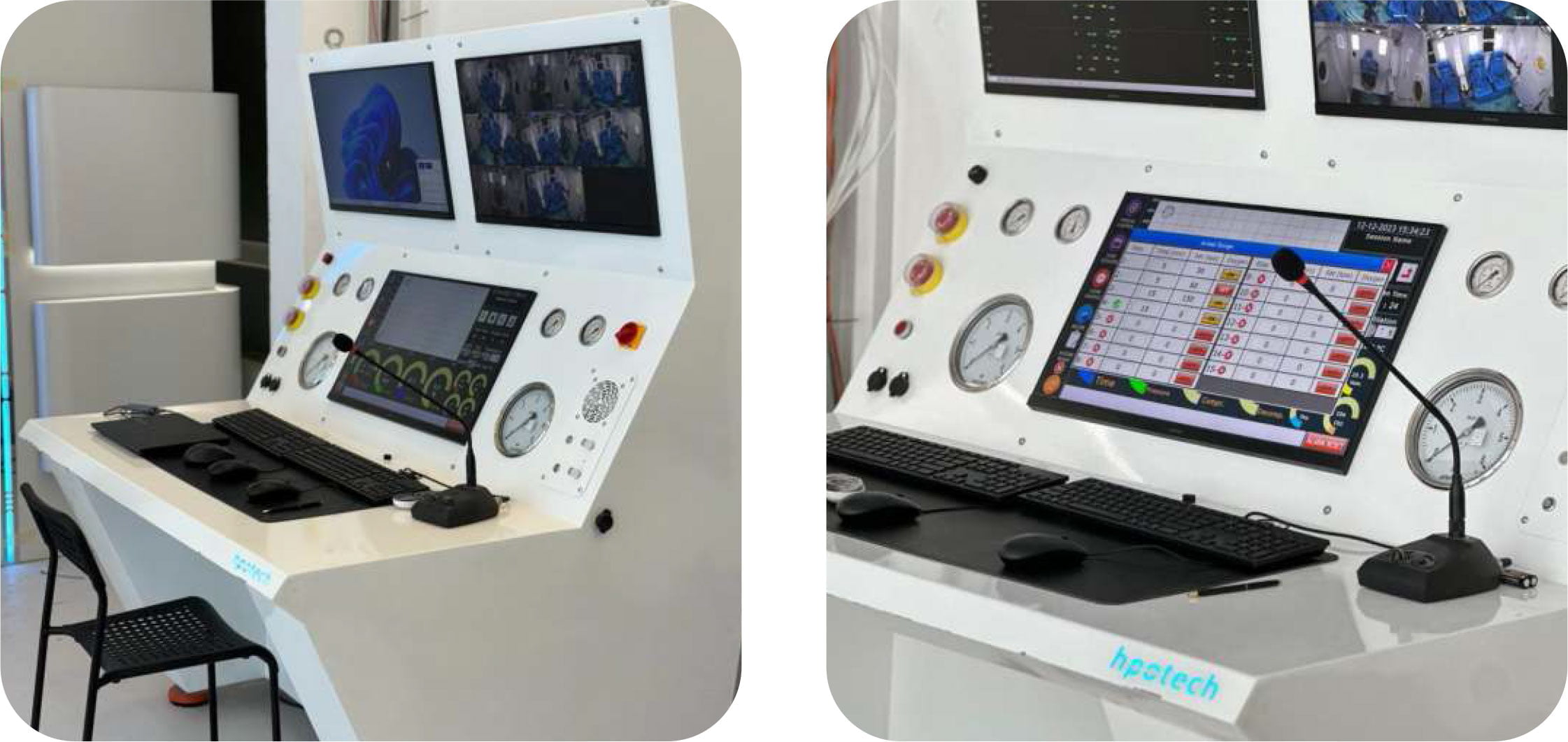
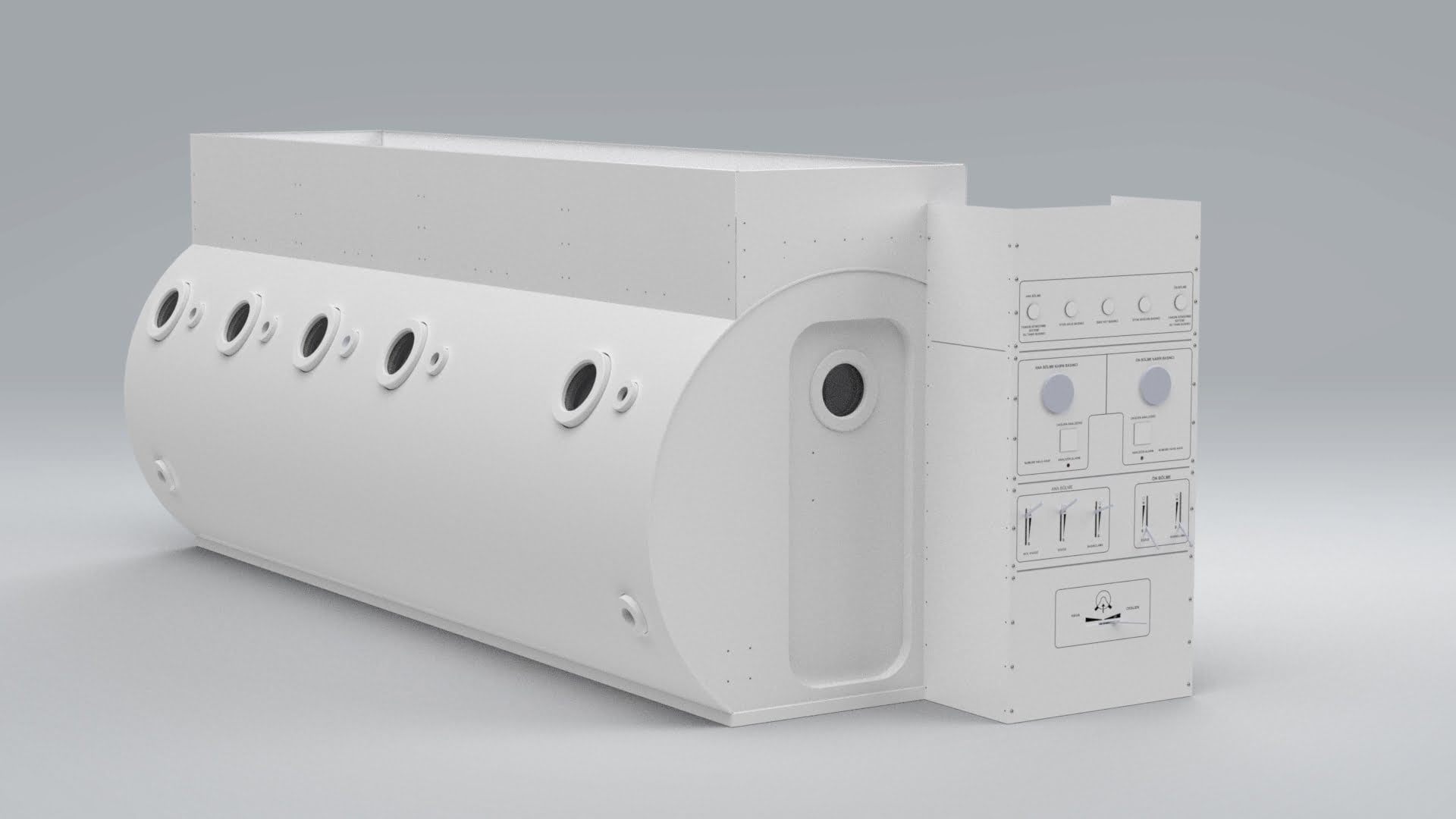
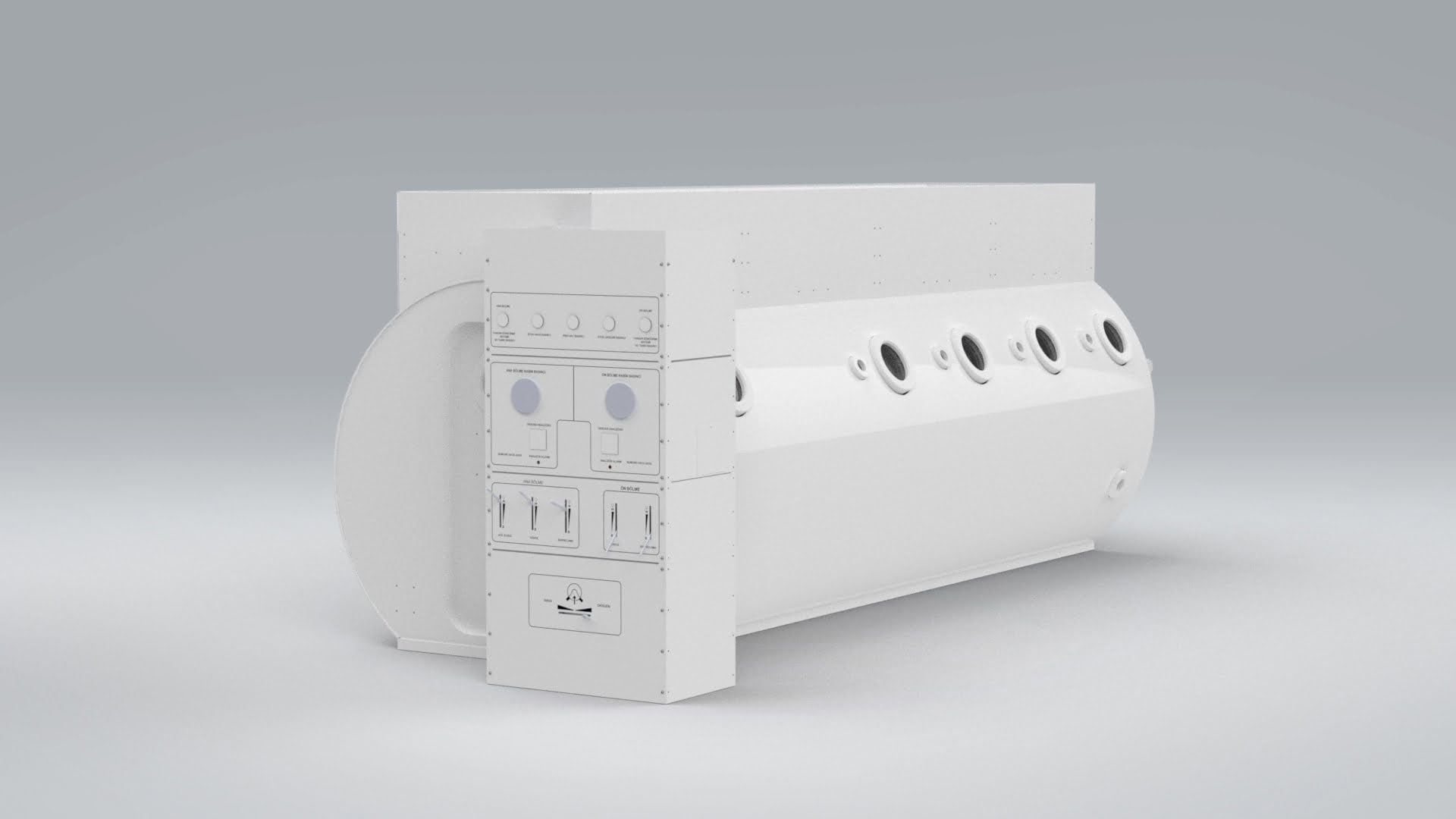
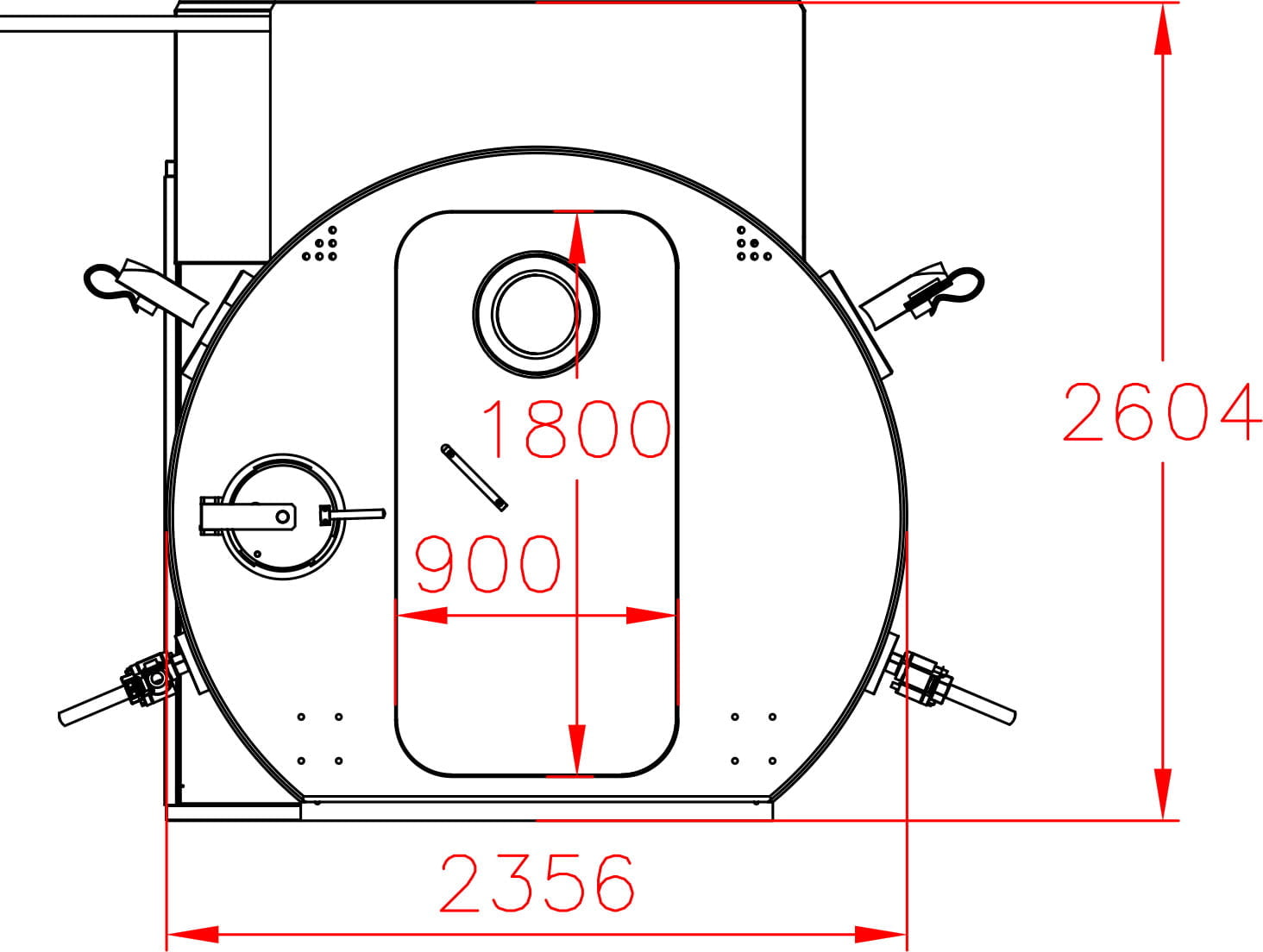
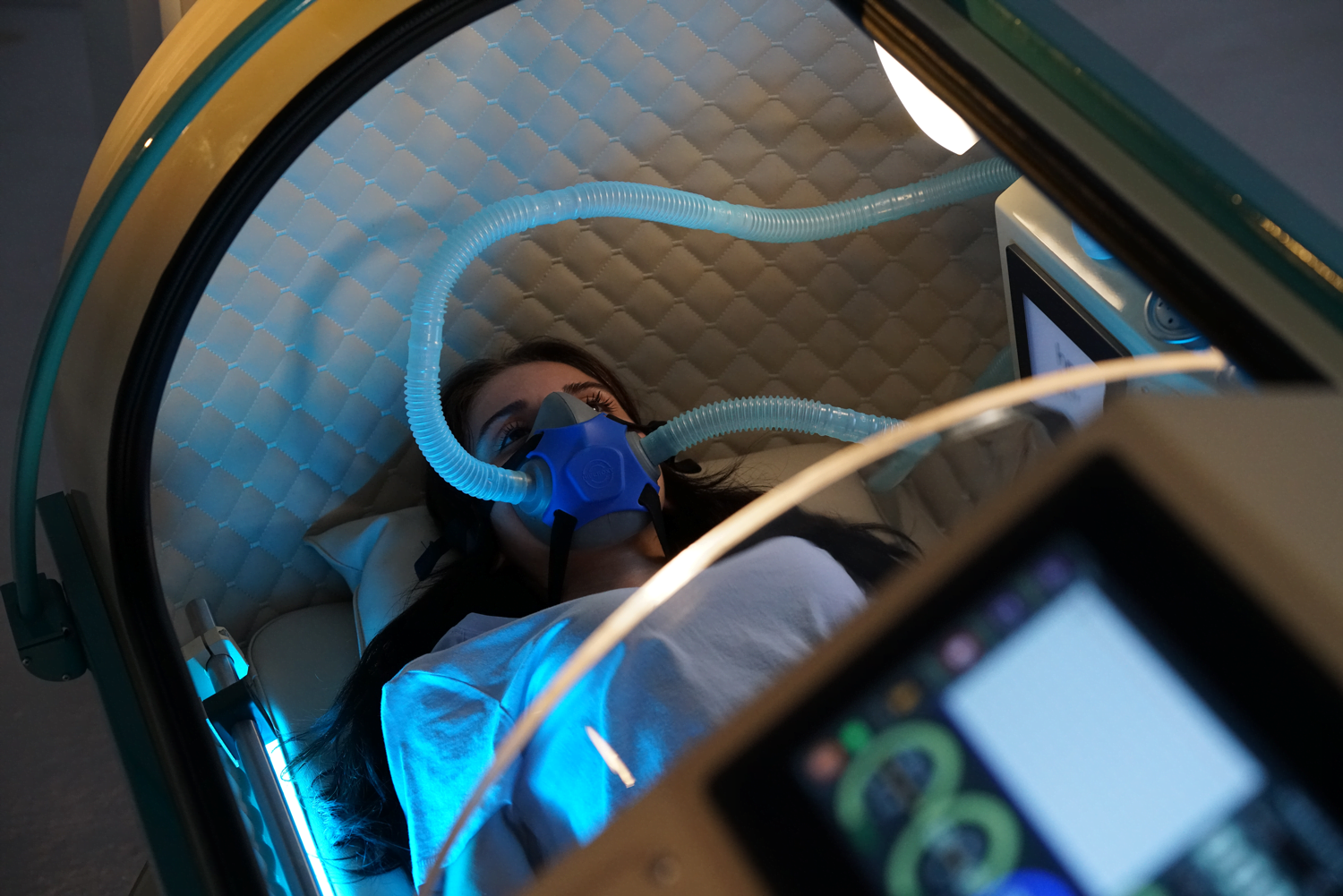
- Progressive hypobaric exposures starting around 2,000 m and building toward 7,000 m coupled with HBOT in the HPO.TECH multibaric chamber named TAMPA.
- Continuous SpO₂ and vital sign monitoring
- Bloodwork including hemoglobin content and inflammatory markers
- Investigation relating to Usher Syndrome adaptations
- Exercise work at altitude (rowing) to increase stress adaptation and red blood cell production
- Tracking oxygen drop and recovery curves as an objective index of altitude readiness
The philosophy is simple: Everest success should be engineered. For Everest 2026, Karolina’s conditioning will integrate both hypobaric altitude simulation (building tolerance for thin air and controlled hypoxic adaptation) and hyperbaric recovery protocols (supporting recovery, resilience, and adaptation efficiency).
This is where HPO.TECH comes in.
Why HPO.TECH is supporting this mission
At HPO.TECH, we build technology for human performance, and we back missions that prove what’s possible when courage meets preparation.
The DeafBlind Everest Project represents everything we believe in: pushing boundaries responsibly, combining human determination with real-world technology, and supporting athletes who refuse to let limitations define them.
Himlung proved Karolina’s values. She’s building toward Everest with discipline, strategy, and respect for the mountain and her team. That’s the kind of mission worth supporting.
We’re proud to provide hypobaric and hyperbaric support for her training, because we believe that extraordinary goals require extraordinary preparation.
We’ve sponsored the Himlung Himal ascent, now we need your help.
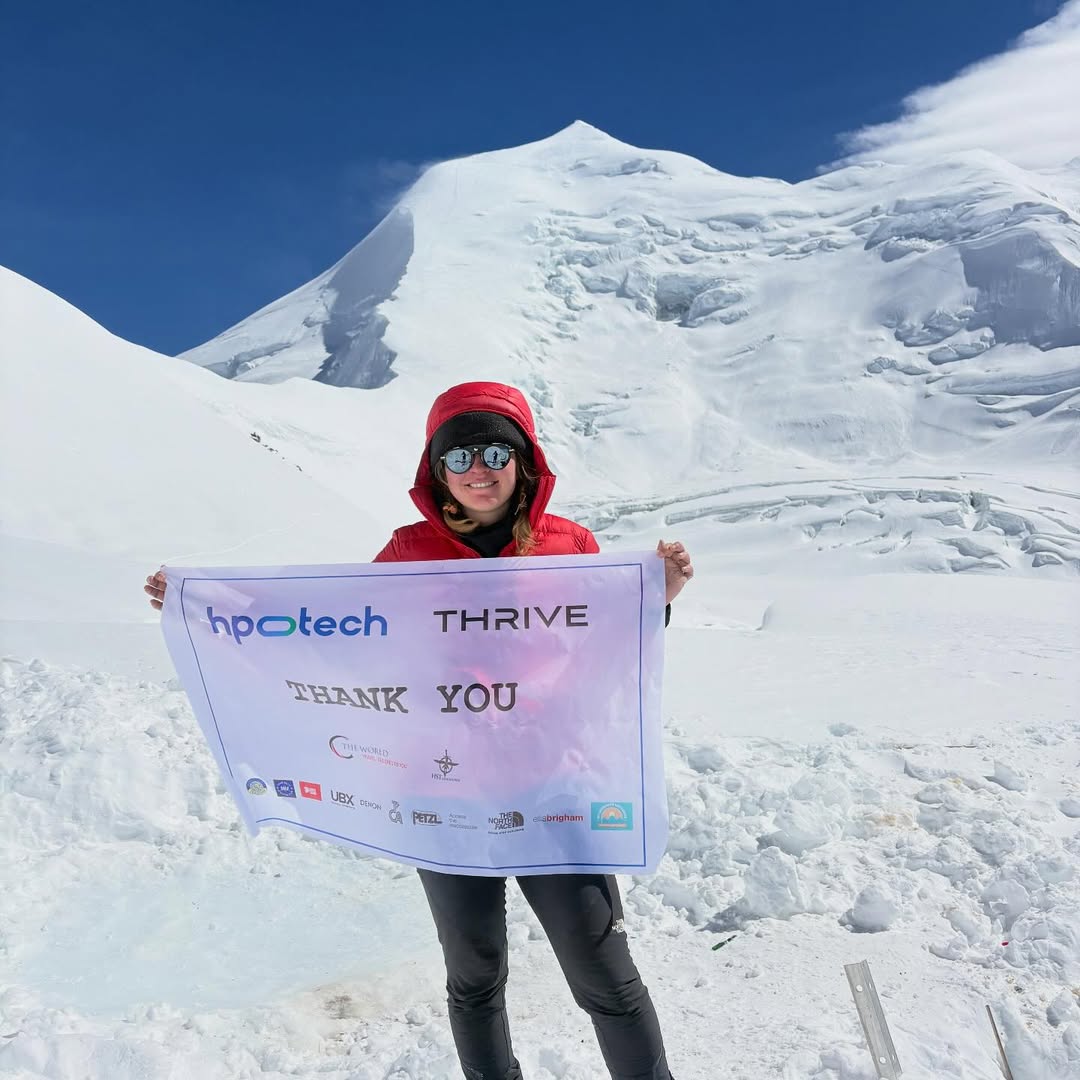
The fundraising target is $150,000.
Help us hit this mark.
This money is funding a climb which is a historic first. We’re raising awareness around Usher Syndrome and DeafBlind representation. Every dollar goes toward making this mission possible, and making it safe.
Everest is an expedition of logistics, safety, and high-stakes infrastructure. For a DeafBlind climber, the requirements multiply. To attempt Everest safely, Karolina needs a dedicated support structure that is costly and impossible to achieve without the help of patrons, donors, sponsors and serious investment.
The human spirit was never meant to stay grounded
Himlung taught the most important Everest lesson: the mountain doesn’t care about your dream. It rewards preparation, clarity, and the courage to turn back when conditions demand it.
Karolina has that courage. She’s proven it. Now, with the right support, she can take the next step. If you believe in courage, inclusion, and pushing the boundaries of what’s possible, we invite you to support the DeafBlind Everest Project.
Help us bring Karolina to Everest to prove that with the right preparation, technology, and team, barriers are meant to be broken.
Karolina’s summit awaits.